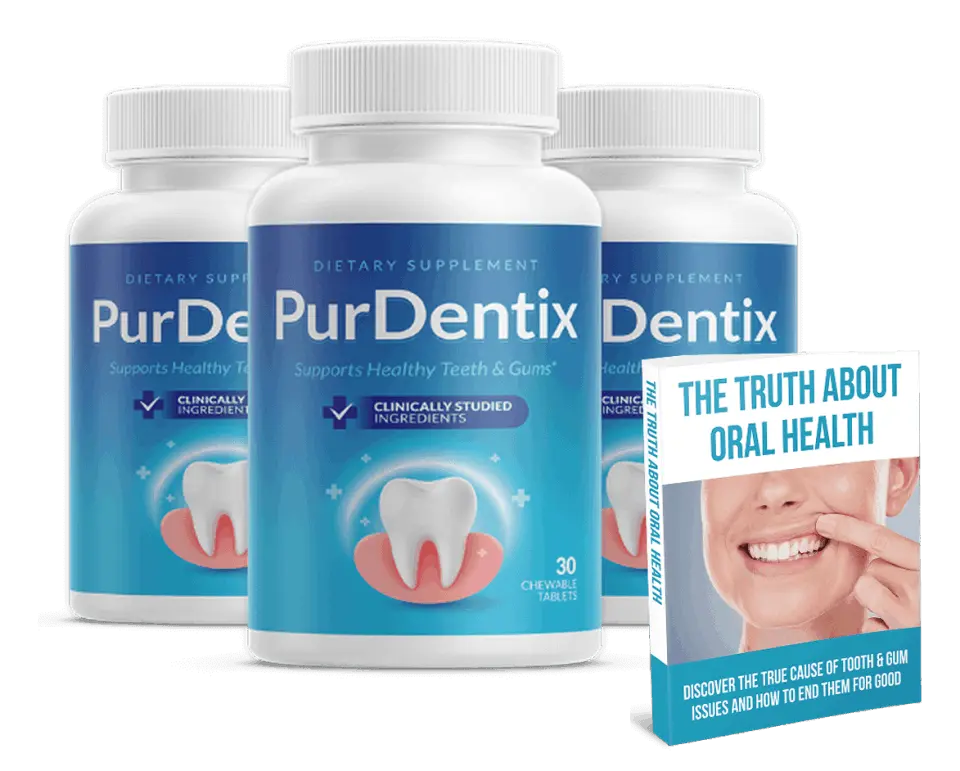
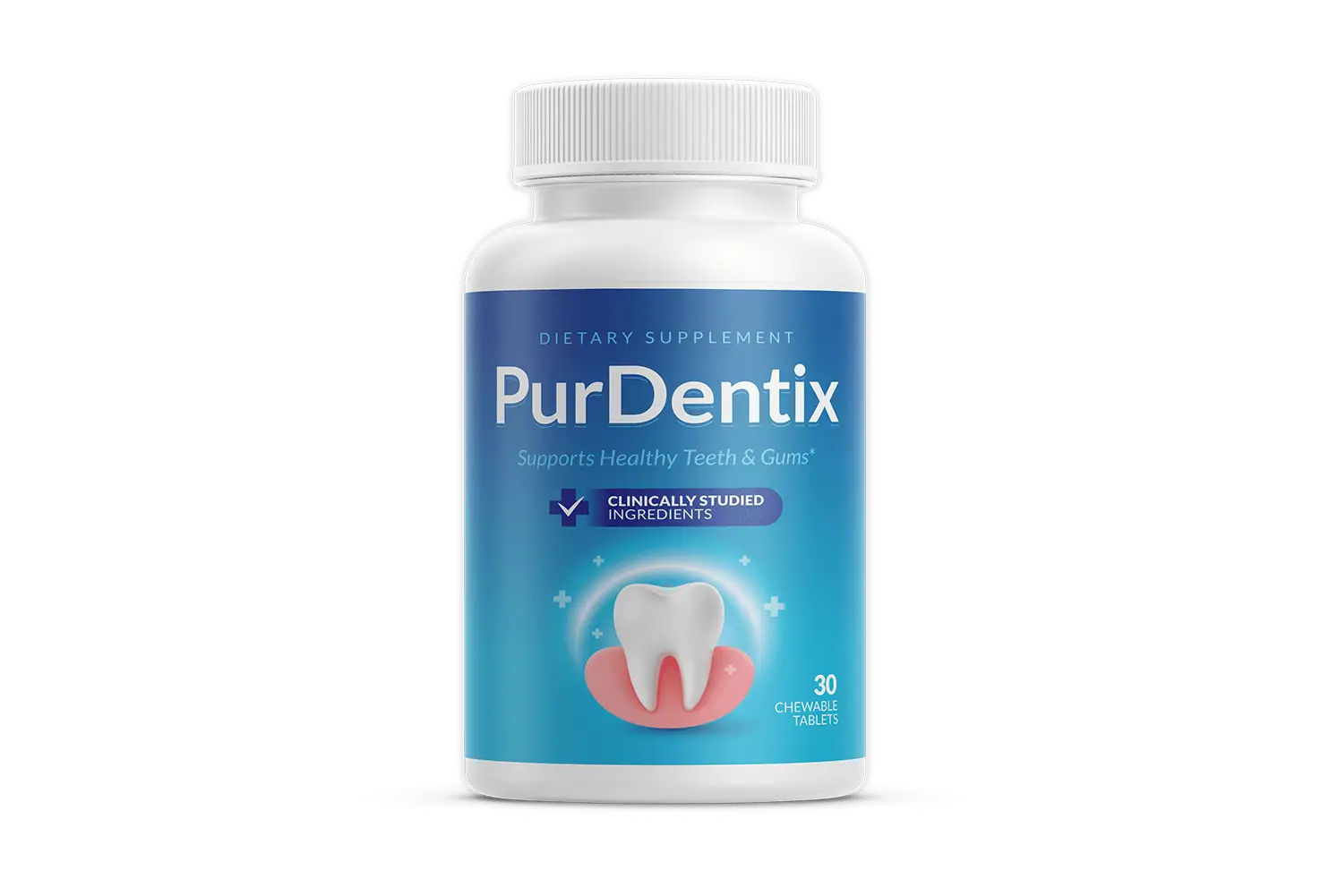
PurDentix is a breakthrough natural dental supplement that works overnight to restore your oral microbiome, strengthen enamel, and fight gum inflammation — no harsh chemicals, no fluoride.
PurDentix is a breakthrough natural dental supplement that works overnight to restore your oral microbiome, strengthen enamel, and fight gum inflammation — no harsh chemicals, no fluoride.
PurDentix is a breakthrough natural dental supplement that works overnight to restore your oral microbiome, strengthen enamel, and fight gum inflammation — no harsh chemicals, no fluoride.

Manufactured in the United States under rigorous quality and safety standards.

Every bottle crafted under strict quality control for consistency and purity.

Good Manufacturing Practices certified — a hallmark of safety and reliability.
Non-GMO, gluten-free, plant-based ingredients with no chemicals or stimulants.
Over 21,000 customers have transformed their oral health with PurDentix — here are a few of their stories.
I have been using PurDentix for 3 months and my dentist could not believe the improvement in my gum health. My teeth feel stronger and my breath is fresher than ever!

I was skeptical at first, but PurDentix genuinely reduced my gum bleeding within just a few weeks. Natural ingredients I can trust. Highly recommended for anyone with gum issues!

My loose tooth has tightened up noticeably and the chronic sensitivity is mostly gone. PurDentix has been a complete game changer for my oral health journey!

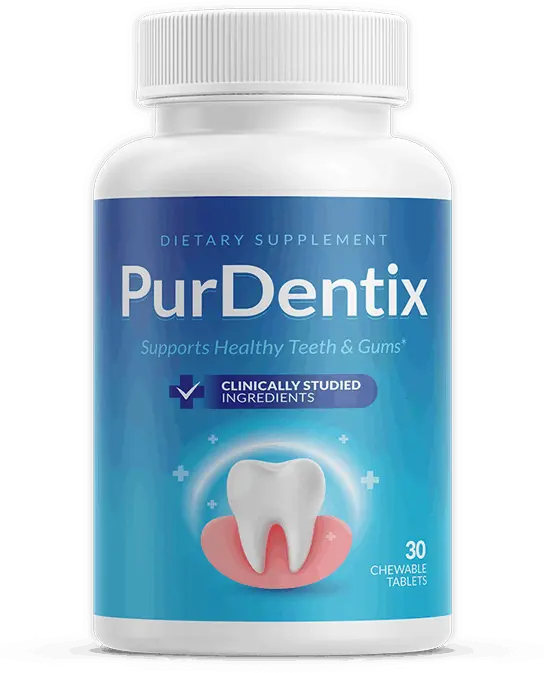
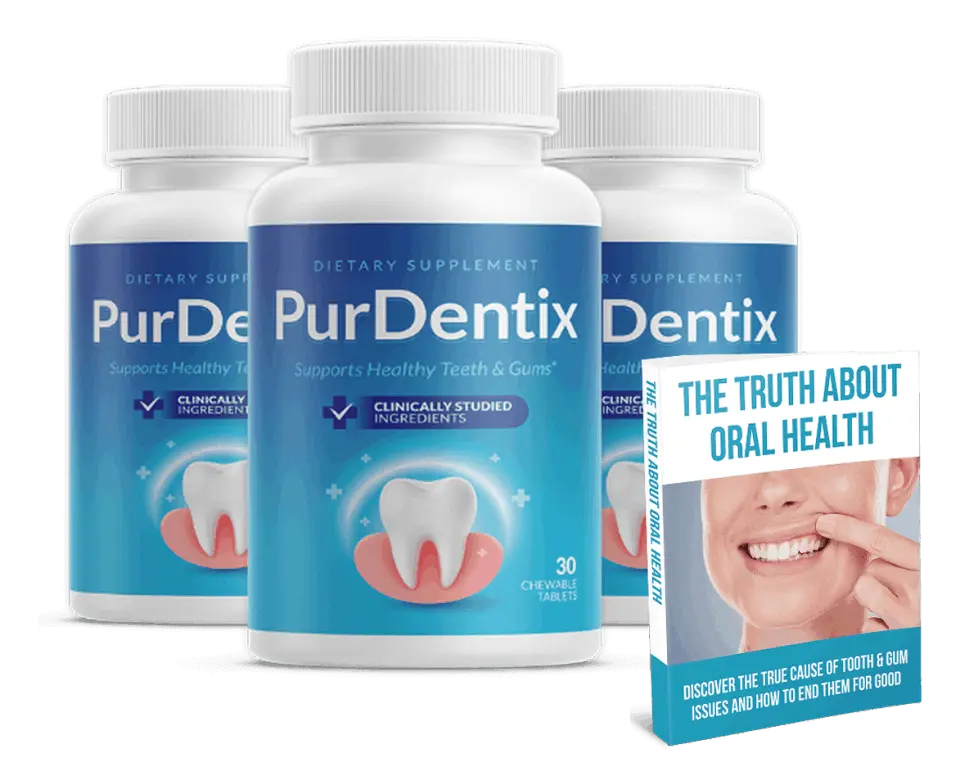
PurDentix is a specialized dental health supplement available exclusively online, designed to improve oral health through a unique blend of natural ingredients, primarily probiotics. Unlike traditional oral health products that rely on fluoride or harsh chemicals, PurDentix focuses on nurturing the body's microbiome.
One of PurDentix's defining features is its focus on the balance of the oral microbiome. The mouth hosts a variety of bacteria — both harmful and beneficial. The right balance is crucial for preventing dental issues such as cavities, gum disease, and infections.
PurDentix is designed to promote the growth of beneficial bacteria while suppressing harmful strains, thereby improving oral health from the root cause — not just masking symptoms.
Get PurDentix Today →PurDentix uses a multi-step approach to restore oral health from within, targeting the root causes rather than surface symptoms.
PurDentix reinforces your mouth's natural defense barrier — the oral bioshield — making it more resilient against harmful bacteria and infections.
Using powerful probiotic strains, PurDentix restores the balance of good vs. bad bacteria in your saliva, gums, and teeth.
Key minerals like tricalcium phosphate work to repair and rebuild tooth enamel that has been eroded by acids and bacteria over time.
Everything you need to know about PurDentix in one place.
Plant-based, non-GMO, gluten-free. No chemicals, no stimulants, no artificial additives.
Multiple clinically studied probiotic strains target the root cause of oral health problems.
Every bottle manufactured in a USA-based, GMP-certified facility under strict quality standards.
If you are not 100% satisfied, get a full refund within 60 days — no questions asked.
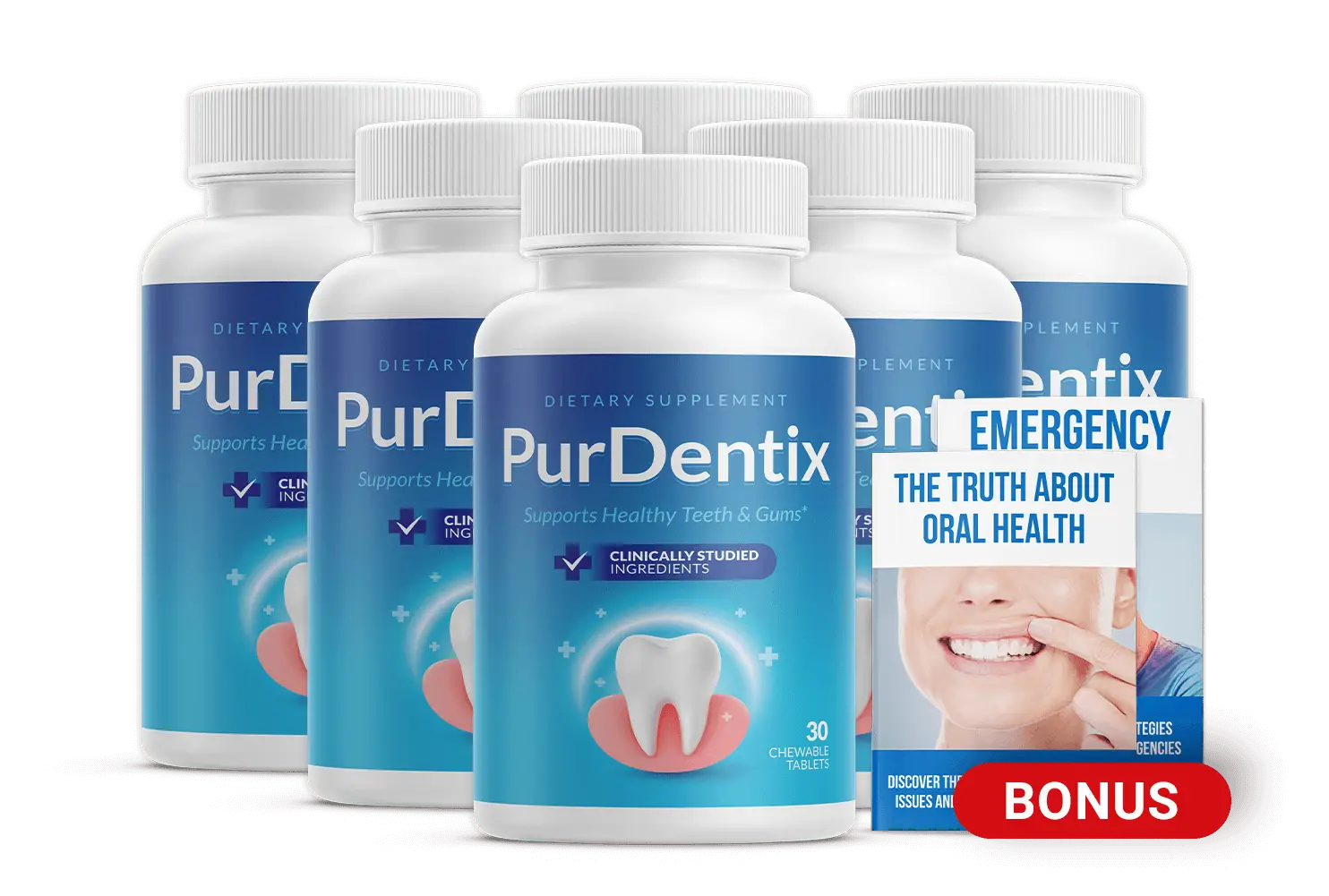
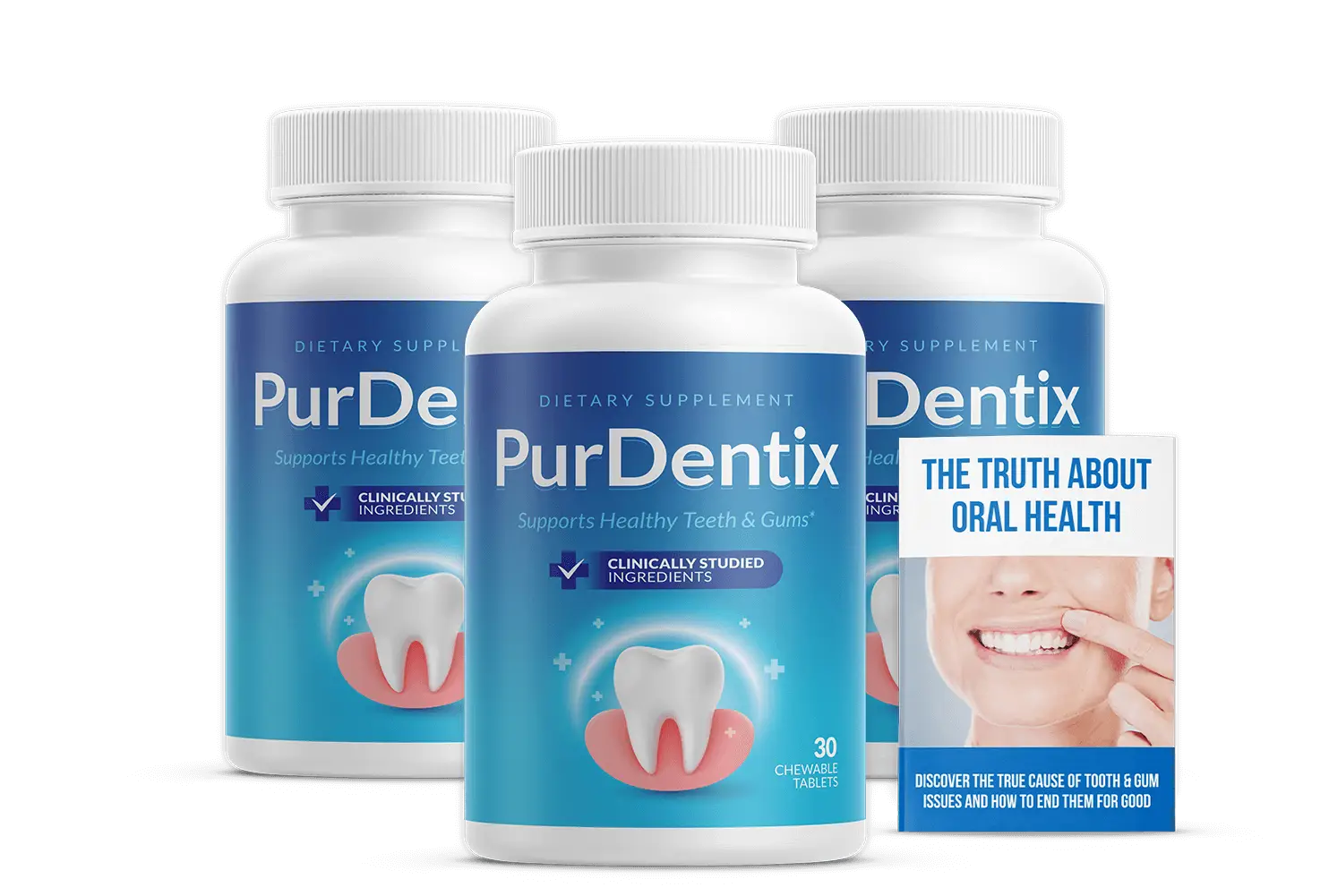
Order 3 or 6 bottles and receive free shipping directly to your door.
Order 3 or 6 bottles and receive two valuable bonus digital books at no extra cost.
PurDentix combines 6 powerful, clinically supported natural ingredients to deliver comprehensive oral health support.
This probiotic strain keeps good bacteria thriving in your oral cavity. Commonly associated with treating dental cavities, it also supports immunity and respiratory health.
Specializes in restoring normal oral flora, reducing plaque formation, and preventing irritation. Promotes a healthy, balanced microbial environment in the mouth.
Essential for maintaining dental enamel integrity. Supports the remineralization of teeth, repairing enamel eroded by acids and helping to prevent dental erosion.
Encourages the growth of beneficial bacteria in the mouth. Studies show inulin can effectively treat periodontal disease by reducing inflammation and promoting healthy gum tissue.
Acts as a natural astringent, naturally whitening teeth and erasing surface stains. Also helps control oral pH balance, making it harder for dangerous bacteria to thrive.
PurDentix's complete formula is 100% plant-based and non-GMO. No chemicals or stimulants. Every ingredient carefully selected and clinically proven to support gums and teeth.
From day one to long-term oral health maintenance — here's what thousands of PurDentix users experience.
Natural antioxidants calm and soothe inflamed gums — tackling gingivitis at the source.
Multiple probiotic strains strengthen oral immunity, since a healthy microbiome supports overall immunity.
Key minerals give your body what it needs to rebuild and remineralize tooth enamel naturally.
Leaves your mouth feeling silky clean by promoting a balanced oral microbiome and clearing infections.
Works to clear harmful bacteria responsible for tooth infections without relying on antibiotics.
The PurDentix ritual supports gum tissue strength, helping tighten teeth that have become loose.
Oral health is connected to systemic health. PurDentix may help reduce the risk of issues linked to poor oral bacteria.
No matter how old you are or how long you have had dental issues, PurDentix is formulated to work for adults of all ages.
Lock in today's discounted pricing before stocks run out. Free shipping and bonuses on larger orders.
🔒 Secure checkout — Your information is 100% protected
When you invest in your oral health with a 3 or 6-bottle package, you receive these valuable digital e-books at no extra cost.

This e-book contains tried-and-true advice to kick-start your gum and teeth rejuvenation journey. Includes proven natural methods to eliminate bad breath permanently.
Today: FREE ($47 Value)
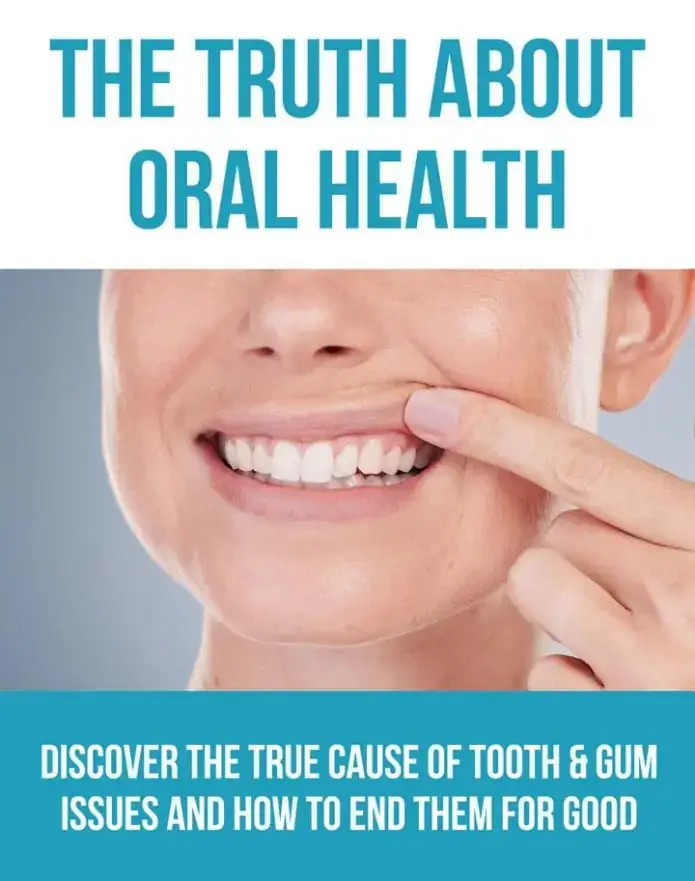
This digital book contains proven techniques for curing candida, canker sores, ulcers, and dry mouth using readily accessible natural ingredients to enhance your smile.
Today: FREE ($47 Value)

We offer a 100% satisfaction guarantee along with a 60-day money-back guarantee. Your purchase today is protected by our iron-clad policy. If you are not completely satisfied with the results, simply contact us within 60 days of purchase and we will refund your entire purchase amount without any hassle. Your satisfaction is our absolute priority.
10 science-backed strategies to restore, protect, and strengthen your gums — including what your dentist may not be telling you about the oral microbiome.
Healthy gums are the foundation of a healthy mouth — and, increasingly, research shows they are linked to your overall health too. Poor gum health has been associated with cardiovascular disease, diabetes complications, respiratory conditions, and even cognitive decline.
Yet gum disease (periodontitis) is one of the most common chronic conditions worldwide, affecting nearly half of adults over 30. The encouraging news? Early and moderate gum disease is reversible with the right approach — and even advanced cases can be managed and stabilized naturally.
This guide focuses on evidence-based, natural strategies to improve gum health — from daily hygiene habits to nutrition, supplementation, and the powerful role of your oral microbiome.
Recognizing early gum disease is key to reversing it. Watch for these signals:
If you notice any of these signs, natural interventions can be very effective when started early. Consult a dentist for a professional assessment alongside any home-based approach.
Most people brush too hard and too fast. Use a soft-bristle toothbrush at a 45-degree angle to the gum line, making small circular motions. Brush for a full 2 minutes, twice daily. Hard brushing abrades the gum tissue and enamel rather than cleaning it.
Flossing removes plaque and food debris from between teeth and under the gum line — areas a toothbrush simply cannot reach. Interproximal bacteria are a primary driver of gingivitis and periodontitis. Even flossing once a day provides significant protective benefits.
If traditional floss is difficult, interdental brushes or water flossers (oral irrigators) are excellent alternatives, especially for those with bridges, implants, or tight contacts.
Diet profoundly affects gum tissue health. Key nutrients that support gum repair and resistance to infection include:
The oral microbiome — the community of bacteria living in your mouth — is central to gum health. When harmful bacteria outnumber beneficial strains, gum inflammation and disease follow. Oral probiotics introduce beneficial bacteria that competitively crowd out the harmful species.
Strains with the strongest evidence for gum health include Lactobacillus reuteri and Lactobacillus paracasei. Clinical trials show these strains reduce gingival bleeding, lower plaque scores, and decrease the concentration of periodontal pathogens.
Saliva is your mouth's natural defense system. It neutralizes acids, washes away food particles, and contains antimicrobial proteins that suppress pathogenic bacteria. Dehydration reduces saliva flow, creating conditions where harmful bacteria thrive and gum tissue dries out and becomes more vulnerable.
Aim for at least 8 glasses of water daily. Avoid excessive coffee and alcohol, which accelerate dehydration and suppress saliva production.
Tobacco use is the single most significant modifiable risk factor for gum disease. Smoking impairs blood flow to the gums, suppresses the immune response, and masks early symptoms like bleeding (smokers may have severe gum disease without the usual warning signs).
Smokers are up to 6 times more likely to develop periodontitis and respond more poorly to treatment. Gum health improvement begins almost immediately after cessation, with measurable benefits visible within weeks of quitting.
Chronic psychological stress elevates cortisol, which suppresses the immune system and promotes systemic inflammation — including in gum tissue. Research shows a strong association between chronic stress and increased risk of periodontitis.
Effective stress management — through exercise, meditation, sleep hygiene, and social connection — reduces inflammatory markers throughout the body and creates conditions for gum tissue healing.
Oil pulling — swishing a tablespoon of coconut oil in the mouth for 15–20 minutes — is an ancient Ayurvedic practice with growing modern evidence. Coconut oil contains lauric acid, which has demonstrated antimicrobial effects against common oral pathogens.
Studies suggest oil pulling can reduce plaque levels, gingivitis scores, and Streptococcus mutans counts comparably to chlorhexidine mouthwash — without the side effects (tooth staining, altered taste sensation).
Even with perfect home care, calculus (tartar) builds up in areas inaccessible to brushing and flossing. Professional cleanings (scaling and prophylaxis) remove this calculus before it advances to destructive periodontitis.
Most adults benefit from cleanings every 6 months. Those with active gum disease or a history of periodontitis may need treatment every 3–4 months during the active phase of care.
Even a perfect diet and hygiene routine may not fully address the systemic factors driving gum disease — particularly microbiome imbalance and chronic low-grade inflammation. A targeted oral health supplement can fill these gaps.
Look for products containing clinically studied probiotic strains (such as L. reuteri and L. paracasei), prebiotic support, anti-inflammatory botanicals, and remineralizing minerals. PurDentix combines all of these in a single daily supplement specifically designed for gum and tooth health.
PurDentix is specifically formulated to address the root cause of gum problems — the imbalanced oral microbiome — through a combination of clinically studied probiotics, prebiotics, and botanical extracts: